Understanding the Mechanics and Appeal of the Slot Machine: A Professional Overview
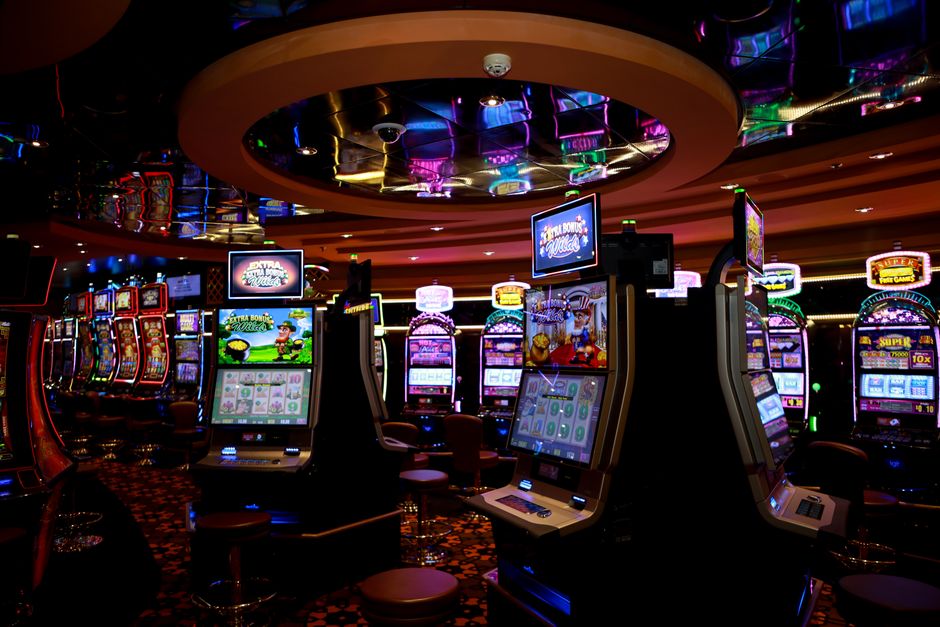
The slot machine, often simply referred to as a “slot,” stands as the most iconic and widespread game of chance in casinos worldwide. From the smoky back rooms of early saloons to the vibrant, illuminated floors of Las Vegas and the digital interfaces of online platforms, the slot has undergone a profound transformation. While the core principle remains the same—matching symbols across spinning reels—the modern slot is a product of complex engineering, sophisticated software, and deep psychological insight. This article provides a professional examination of slot machines, tracing their history, explaining their operational mechanics, and analyzing their enduring appeal.
The Historical Genesis of the Slot
The origin of the modern slot machine dates back to the late 19th century. The first recognizable slot was the “Liberty Bell,” created by Charles Fey in San Francisco in 1895. This mechanical machine featured three spinning reels and five symbols: horseshoes, diamonds, spades, hearts, and the Liberty Bell. The process was purely mechanical, relying on springs and gears to spin and stop the reels. Payouts were automatic, typically in the form of coins or cigars. This invention marked the birth of a new form of entertainment that combined simplicity with the thrill of potential monetary reward. As the machines evolved, prohibition-era speakeasies and gambling establishments adopted them, leading to the eventual mass production of electromechanical slots in the 1960s by companies like Bally. These machines introduced the first random number generators (RNGs) in a primitive form, paving the way for the video slots of the 1970s and 1980s.
Core Mechanics: How a Modern Slot Operates
At the heart of every contemporary slot—whether physical or online—lies the Random Number Generator (RNG). This is a computer algorithm that continuously generates thousands of numbers per second. When a player presses the spin button, the RNG locks onto a specific number at that exact moment. This number corresponds to a specific combination of reel positions. Critically, the outcome is determined *immediately* upon pressing the button, not when the reels stop spinning. The visual spinning of the reels is merely an animation for entertainment purposes. Modern slots do not have mechanical reels; they use video screens or LED panels. The symbols displayed are predetermined by the RNG result. This ensures that each spin is an independent event, unaffected by previous spins. The odds of winning—specifically, the probability of hitting a winning combination—are predetermined by the game’s mathematics, known as the Return to Player (RTP) percentage. For example, a slot with a 96% RTP will, over a very long period, return $96 for every $100 wagered.
Psychological Design and Player Engagement
The success of the slot machine is not merely a matter of random chance; it is a carefully crafted psychological experience. Game designers employ several principles to maintain player engagement. “Near misses” are a classic tactic where the reels stop showing two winning symbols and a third symbol just above or below the payline. This creates a feeling of being “close” to a win, triggering the brain’s reward system as if a near-win is a step toward success. Another key feature is the “loss disguised as a win” (LDW). This occurs when a player wins a small payout that is actually less than the original wager (e.g., betting $1.00 and winning $0.50). The machine celebrates this with flashing lights and sound effects, making the player feel victorious even though they have lost money. Furthermore, variable ratio reinforcement schedules, where wins come at unpredictable intervals, are highly addictive. This unpredictable pattern is the same psychological mechanism that makes pigeon pecking or social media scrolling compulsive. Modern slots also incorporate “bonus rounds,” free spins, and progressive jackpots, which provide intermittent, large-scale rewards that keep players chasing the next big win.
Regulation, Fairness, and the House Edge
In regulated markets, slot machines are subject to rigorous testing and certification by independent laboratories such as eCOGRA or GLI. These agencies verify that the RNG is truly random and that the RTP percentages align with the stated figures. Operating within a licensed jurisdiction, the “house edge” (the mathematical advantage the casino holds over the player) is fixed and transparent. For instance, a slot with a 96% RTP has a 4% house edge. This ensures that over time, the casino is mathematically guaranteed to make a profit. However, this does not mean a player cannot win in the short term; slots are notorious for high variance, meaning a player can experience large wins or long losing streaks. Responsible gaming protocols are also embedded into modern slot systems, allowing players to set loss limits, time limits, and self-exclusion periods. It is crucial for players to understand that slot machines are games of pure chance, not skill, and should be approached as forms of entertainment where the cost of play is the loss of the wager.
The Digital Frontier: Online and Mobile Slots
The advent of the internet has revolutionized the slot industry. Online slots, accessible via slot platforms, offer thousands of variations with themes ranging from ancient Egypt to modern cinema. These digital versions operate on the same RNG principles but benefit from more advanced graphics, 3D animations, and complex bonus mechanics. A notable development is the introduction of “megaways” slots, which offer up to 117,649 ways to win by using dynamic reel modifiers. Furthermore, live casino slots and skill-based gaming hybrids are emerging, targeting a younger demographic that seeks more interactive experiences. The convenience of mobile gaming means players can engage with slots anytime, anywhere, further expanding the market. The future of the slot likely involves Virtual Reality (VR) and Augmented Reality (AR), creating fully immersive gaming environments. For players, the transition to digital has also meant easier access to information about RTP, volatility, and game rules, promoting more informed play. Ultimately, the slot remains a fascinating intersection of pure chance, technological innovation, and behavioral science, a testament to its enduring presence in the world of entertainment.